
Why PolyA Tail Stability Matters For mRNA Therapeutic Development? Current Challenges In The Plasmid DNA Manufacturing Process
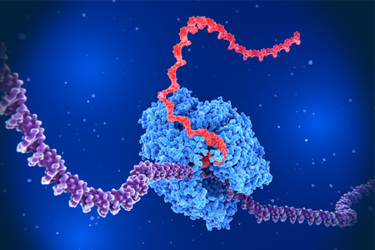
PolyA tail stability plays a defining role in the performance, safety, and manufacturability of mRNA therapeutics. Beyond enabling efficient translation, the length and integrity of the polyA tail directly influence mRNA stability, batch consistency, and overall product quality.
Instability introduced during DNA template generation or downstream enzymatic processing can lead to truncated transcripts, reduced potency, and increased manufacturing risk. As mRNA pipelines advance toward more complex and personalized applications, maintaining polyA integrity early in development becomes essential to meet tight timelines and regulatory expectations. A growing focus on upstream design choices — particularly how polyA sequences are generated and preserved — helps reduce variability and simplify downstream workflows. This blog explores why polyA stability is not just a technical detail, but a critical lever for building robust, scalable mRNA manufacturing strategies.
Read the full article to understand how early decisions around polyA design can have lasting impact across development.
Get unlimited access to:




Enter your credentials below to log in. Not yet a member of Cell & Gene? Subscribe today.