
Producing MSC-Derived Cell Therapies From Isolation To Large-Scale Expansion; A Journey Of Workflows, Technologies, And Case Studies
By Tom Bongiorno, Whitney Cary, Irana Coletti, A. Javier Hernandez, Sascha Kiesslich, L. Gustavo Mendes, M-T. Meiko Tsai, and John Yoshi Shyu
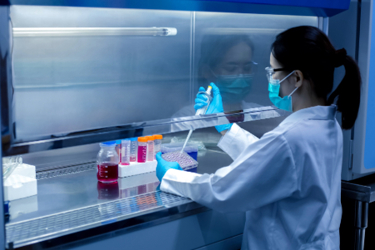
As mesenchymal stem/stromal cell (MSC) research matures into a cornerstone of regenerative medicine, the focus has shifted from initial isolation to the complexities of large-scale bioproduction. While MSCs offer unparalleled therapeutic potential due to their immunomodulatory properties and ability to function as "mobile paramedics" for tissue repair, successful commercialization hinges on navigating the transition from academic-scale workflows to high-volume manufacturing.
Overcoming challenges like donor-to-donor variability and limited population doubling requires a strategic selection of tissue sources and isolation techniques, such as enzymatic or explant methods. Furthermore, the implementation of advanced technologies—ranging from modular stacked vessels to automated bioreactors and closed-system processing—is essential for ensuring sterility and consistent cellular quality. By optimizing every phase of the journey, including media selection and cryopreservation strategies, manufacturers can de-risk their processes and accelerate the delivery of life-changing therapies to patients. To learn more about streamlining your manufacturing workflow, read the full whitepaper.
Get unlimited access to:




Enter your credentials below to log in. Not yet a member of Cell & Gene? Subscribe today.