
Late-Stage Process Development And Cost Of Good Reduction Strategies For Biologics
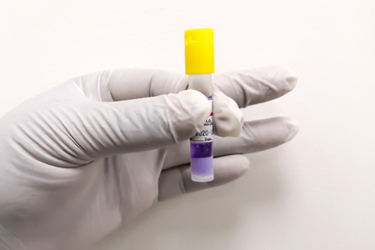
Biologics manufacturing is inherently complex and costly, driven by stringent regulatory requirements and resource-intensive processes. As market pressures and affordability initiatives grow, reducing cost of goods (CoGs) without compromising quality has become a critical priority. Late-stage process development offers a strategic window—typically during Phase II trials—to implement changes that enhance efficiency before Phase III, minimizing risk and avoiding costly delays.
Key cost-reduction strategies include optimizing upstream yields through refined bioreactor parameters, feeding strategies, and advanced technologies like Intensified Fed-Batch (IFB), which can double titers and significantly lower per-unit costs. Scaling production from 500 L to 2000 L or beyond can cut CoGs by up to 70%, while substituting high-value raw materials such as media and resins with lower-priced alternatives further reduces expenses without impacting quality.
These approaches, combined with robust comparability studies, ensure regulatory compliance and product integrity. Explore how integrated process optimization can transform biologics manufacturing economics and sustain competitiveness in a cost-sensitive market.
Get unlimited access to:




Enter your credentials below to log in. Not yet a member of Cell & Gene? Subscribe today.