
Full FDA Approval For TECELRA Marks More Than A Regulatory Win For Solid Tumors

By Erin Harris, Editor-In-Chief, Cell & Gene
Follow Me On Twitter @ErinHarris_1
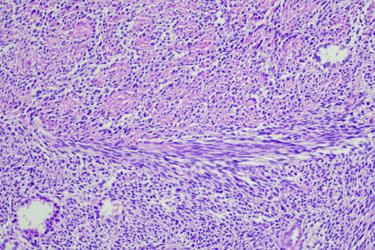
The CGT industry has spent more than a decade proving that engineered cell therapies can transform outcomes in hematologic cancers. Solid tumors, however, have remained one of the field’s most difficult frontiers because of complex tumor biology, limited target availability, and challenges surrounding persistence, trafficking, and the tumor microenvironment.
That’s why the FDA’s full approval of TECELRA deserves attention well beyond synovial sarcoma. While the expanded indication gives eligible adolescents access to the first FDA-approved engineered T-cell therapy for a solid tumor, it also provides something equally important for developers across the CGT landscape. It demonstrates that engineered cell therapies can continue progressing through the regulatory pathway in solid tumors while highlighting the importance of biomarker identification, treatment center readiness, and commercial infrastructure. Those lessons extend far beyond a single product and are increasingly relevant as more developers pursue cell therapies for solid tumors.
TECELRA, which first received accelerated approval in 2024, has now earned full FDA approval for adults and expanded approval to include pediatric patients 12 years of age and older with unresectable or metastatic synovial sarcoma who meet HLA and MAGE-A4 biomarker requirements.
A Milestone Beyond One Therapy
The transition from accelerated to full FDA approval reinforces the clinical benefit demonstrated by TECELRA while expanding access to younger patients who previously had limited treatment options.
“Moving from accelerated to full FDA approval is an important milestone because it reinforces the clinical benefit of TECELRA for eligible patients with advanced synovial sarcoma,” said Maria Lopes, VP, Marketing & Commercial Operations at US WorldMeds. “Just as importantly, expanding the indication to include patients as young as 12 extends access to the first FDA-approved engineered T-cell therapy for a solid tumor.”
For the broader cell therapy industry, approval carries significance well beyond a single product. “More broadly, this approval reflects meaningful progress in bringing engineered cell therapies beyond hematologic cancers and into solid tumors, where development has historically been more challenging,” said Lopes. “We believe this milestone may help build confidence in the potential of engineered cell therapies for solid tumors and encourage continued investment in the science, clinical development, and treatment infrastructure needed to bring these therapies to more patients with significant unmet needs.”
Clinical Data Reinforces Long-Term Benefit
The full approval and expanded indication were supported by results from the SPEARHEAD-1 study, an open-label, single-arm trial that included 137 patients with unresectable or metastatic synovial sarcoma. “The overall response rate was 43.8%, with nearly one-third of responders maintaining their response for two years or longer,” she said. “For patients who have already received chemotherapy and have limited treatment options, TECELRA offers a personalized, single-infusion treatment approach that was not previously available. Full FDA approval reinforces the clinical benefit of TECELRA, and the expanded indication means eligible adolescents can now access this therapy.”
Education and Biomarker Testing Remain Critical
Unlike many hematologic cell therapies, TECELRA requires patients to meet both HLA and MAGE-A4 biomarker criteria, making patient identification a critical component of successful treatment.
According to Lopes, educating physicians throughout the oncology community remains one of the most important factors in ensuring eligible patients are identified before treatment opportunities are missed.
“One of the clearest lessons has been that education and coordination have to happen early,” said Lopes. “In a rare disease like synovial sarcoma, patients may be seen across a range of community and academic settings, and not every provider will immediately be thinking about HLA typing or MAGE-A4 testing when treatment options are being considered.”
Helping physicians understand when to perform testing and how to refer patients can significantly improve access. Lopes noted that successful delivery of the therapy depends on much more than manufacturing alone.
“Oncology-community education is critical because access to TECELRA depends on more than the therapy itself,” said Lopes. “It requires awareness of the biomarker requirements, timely testing, clear referral pathways, and connection to an authorized treatment center with experience in both synovial sarcoma and cell therapy. Our focus is on providing that education so physicians and patients can move from consideration to evaluation as efficiently as possible.”
Building the Infrastructure for Commercial Success
The expanded approval also represents the first major regulatory milestone since US WorldMeds acquired the TECELRA program in 2025.
Lopes shared that maintaining continuity while strengthening the commercial infrastructure has been a major priority. “During the transition to US WorldMeds, one of our priorities was ensuring there was no disruption in commercialization efforts or in the support available to treatment centers, physicians, patients, and caregivers,” she said.
The company has continued investing across multiple areas needed to support commercial cell therapy delivery. “At the same time, we have continued to regularly evaluate where additional investment is needed across manufacturing readiness, field education, patient services, access support, and the authorized treatment center network,” said Lopes. “That disciplined approach has helped us strengthen the foundation for TECELRA today while also preparing the organization for the next cell therapy launch.”
The expanded approval now includes adolescents as young as 12, introducing additional considerations for treatment centers and caregivers. “The treatment process for adolescent patients is generally consistent with the process for adult patients,” said Lopes. “TECELRA is administered in a healthcare facility with daily monitoring at a healthcare facility.”
Supporting patients throughout the treatment journey remains a key priority. Lopes shared that the focus has been on ensuring authorized treatment centers have the information and support they need to care for all eligible patients, including adolescents, and on providing education and patient support resources that help patients and caregivers understand the treatment journey, monitoring requirements, and follow-up expectations.
For the broader cell and gene therapy industry, Lopes believes the approval serves as an important proof point that engineered T-cell therapies can successfully move into solid tumors.
“TECELRA represents an exciting scientific step forward because it shows that engineered T-cell therapy can be developed for a solid tumor in a way that is clinically meaningful for eligible patients,” said Lopes. “Solid tumors have long been one of the most difficult frontiers in cell therapy, so bringing this type of innovation to patients with advanced synovial sarcoma is an important achievement for the field. It reflects years of scientific progress, clinical research, and collaboration across the treatment ecosystem to translate a complex therapy into a real treatment option for patients with significant unmet need.”
Looking ahead, Lopes believes the industry’s momentum is only beginning. “We believe this milestone may help build confidence in the potential of engineered T-cell therapies for solid tumors and encourage continued investment in the science, clinical development, and infrastructure needed to bring these approaches to more patients,” said Lopes. “While each tumor type, target, and line of therapy will require its own evidence base, TECELRA is an important proof point that engineered cell therapy can have a meaningful role in solid tumors.”
For the broader CGT industry, TECELRA’s approval is not simply another regulatory milestone. It is evidence that engineered T-cell therapies are beginning to establish a foothold in solid tumors after years of scientific and clinical hurdles. As more developers pursue next-generation targets, improve manufacturing processes, and refine patient selection strategies, the lessons learned from TECELRA’s development and commercialization are likely to influence how the next generation of solid tumor cell therapies is designed, evaluated, and delivered to patients.