
Exploring Earlier Gene Editing For Children With Dr. Haydar Frangoul, Part 1

By Erin Harris, Editor-In-Chief, Cell & Gene
Follow Me On Twitter @ErinHarris_1
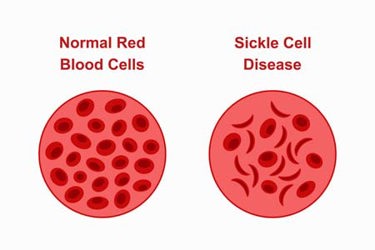
We talk a lot on Cell & Gene about the promise of gene editing, but one of the biggest questions is when to bring these therapies to patients, especially children who may face a lifetime of disease complications. In June, new research published in The New England Journal of Medicine reported encouraging results for exa-cel, a CRISPR-based therapy, in children ages 5 to 11 with sickle cell disease (SCD) and transfusion-dependent beta thalassemia (TDT).
I wanted to speak with Dr. Haydar Frangoul, medical director of the Pediatric Stem Cell Transplant Program at HCA Healthcare’s TriStar Centennial Children’s Hospital in Nashville, because this research raises important questions beyond the initial results. There’s a lot to consider as gene editing moves into younger patient populations. Here’s what he had to say.
What was the most important lesson from designing and carrying out this trial in children ages 5 to 11 that differs from treating adolescents or adults?
Dr. Frangoul: One of the most important lessons we learned is the value of treating children with SCD and TDT as early as possible. Both are chronic, lifelong blood disorders that can cause serious complications and irreversible organ damage over time. After seeing promising results in adults and adolescents, we recognized the importance of extending this therapy to children ages 5 to 11, with the goal of intervening before significant damage occurs.
The results have been especially encouraging. In our trial, 100% of children with SCD experienced no sickle cell-related complications following treatment, and all children with TDT achieved transfusion independence. These findings highlight the potential of early intervention to change the course of these diseases and give children the opportunity to live healthier lives with fewer complications.
How should clinicians think about the potential value of intervening earlier in sickle cell disease, before years of cumulative pain, organ injury, and hospitalizations have occurred?
Dr. Frangoul: Like many chronic conditions, sickle cell disease causes progressive organ damage as patients age, particularly affecting the heart, kidney, and lungs. Some of that damage is irreversible. According to the CDC, people living with SCD in the United States have a life expectancy more than 20 years shorter than the general population.
That is why early intervention is so important. Even when a child has relatively few symptoms, the disease can continue to progress, leading to serious complications later in life. Treating sickle cell disease earlier gives us an opportunity to prevent cumulative organ damage and potentially avoid life-altering events, such as strokes, that can have permanent consequences.
We’re already seeing encouraging results in our study. Before treatment, the children experienced an average of nearly three hospitalizations for pain crises each year, totaling more than two weeks in the hospital annually. After treatment, none experienced a pain crisis. Every child with sufficient follow-up remained free from hospitalizations for pain crises for at least one year. We believe these outcomes may be partly related to treating children before years of cumulative organ damage occurred. Earlier intervention has the potential to preserve their long-term health and quality of life.
These findings prove how important it is to have conversations with patients and families about treatment options early in the course of the disease. Gene editing may be the right choice for some families and not for others, but every family deserves to understand the options available to them. I’ve cared for too many patients living with irreversible complications who have asked why they weren’t told about this therapy years earlier.
Ultimately, our goal is to give every child and young adult with SCD the information they need to make informed treatment decisions.
Myeloablative conditioning remains a significant part of the treatment journey. How did your team approach that risk-benefit conversation with families? What would need to change to make gene editing a realistic option for more children?
Dr. Frangoul: Every family deserves to understand all available treatment options available to their child, along with the risks and benefits of each, so they can make an informed decision about what's right for them. Gene therapy isn’t the right choice for every patient, and that decision has to belong to the family.
We start by explaining that chemotherapy is a required part of gene editing. Before we return a child’s edited stem cells, they receive busulfan, a chemotherapy drug, to clear space in the bone marrow for the new cells.
This part of the treatment carries most of the short-term risk, but since busulfan is also used to prepare patients for donor bone marrow transplants, the medical field has a better understanding of the risks associated and can talk the family through what that might look like.
For example, every child with sickle cell disease in our study had at least one severe side effect during chemotherapy, mostly in the first six months, such as fever with low white blood cell counts, mouth sores, or low platelet counts. None of the serious side effects were considered related to the gene-editing therapy itself, and none led to a child leaving the study.
We also talk to families about potential longer-term side effects from using busulfan. The biggest long-term concern is infertility. Like other chemotherapy drugs, busulfan can affect a patient’s ability to have children later due to cell damage and hormonal imbalance, and before puberty, we can't easily mitigate those effects. We make sure that all families understand that and are offered fertility preservation options.
The actual gene-editing is newer, so open questions still exist about the long-term impact. We’ve done bone marrow transplant using related donors for sickle cell disease since the 1990s, and we treated the first gene-editing patient in 2019, but I can't promise families exactly what 30 years from now will look like. But so far, we haven’t seen the benefit fade in any patient; no child in our study had graft failure or cancer, and to confirm the positive effects, every child can join a 15-year follow-up study.
We weigh all of that against the risk of waiting, because SCD causes organ damage that can’t be reversed and can lead to significant health issues and quality-of-life degradation in the future. Then families can weigh the risks and benefits and decide what's right for their child.
Dr. Frangoul and I continue our conversation in Part 2.