
Analytical Approach For Bispecific Antibody Quality Study
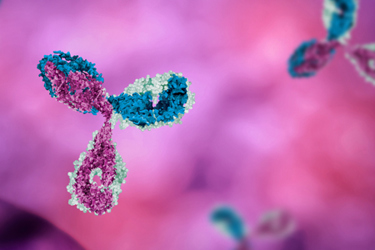
Bispecific antibodies (bsAbs) are revolutionizing therapeutic strategies by simultaneously targeting multiple pathways, offering promise in oncology, autoimmune disorders, and beyond. However, their structural complexity introduces unique challenges for quality control. Mispaired species, charge variants, and size heterogeneity can compromise efficacy and safety, making robust analytical approaches essential.
Effective characterization begins with physicochemical assessments using SEC-HPLC and CE-SDS for size variants, complemented by icIEF or IEX-HPLC for charge profiling. Advanced techniques like LC-MS provide high-resolution mass analysis to distinguish heterodimers from homodimers, even in cases of subtle differences. For asymmetric bsAbs, specialized strategies, such as papain digestion, hydrophobic interaction chromatography, and pI-based separation, help identify misassemblies that conventional methods may overlook.
Biological potency testing adds another layer of complexity, requiring dual-target ELISA and functional assays aligned with the molecule’s mechanism of action. These integrated approaches ensure bsAbs meet stringent quality standards throughout development and commercialization.
Explore how comprehensive analytics safeguard the integrity of these innovative biologics and accelerate regulatory success.
Get unlimited access to:




Enter your credentials below to log in. Not yet a member of Cell & Gene? Subscribe today.