
REGULATORY GUIDANCE AND ENABLING COMPLIANCE
Dr. Peter Marks Talks a Standardized Playbook for Gene Therapy Manufacturing
In this segment, Dr. Peter Marks shares developments in CMC for advanced therapies in the near future.
Leveraging dPCR r Techniques To Quantitate Lentivirus Particles
Discover how digital PCR can streamline lentiviral vector characterization to reduce variability and improve analytical sensitivity. Learn how this approach can help you comply with regulatory guidance.
Defining The CMC / Clinical Relationship For Allogeneic Cell Therapies
During this segment, Nguyen and Wagner define why the relationship between CMC and Clinical is so critical, and they also explain what a mutually beneficial partnership between CMC and Clinical looks like.
Interview With Nico Chow And Sandi True, Field Applications Specialists
Hear Nico Chow and Sandi True, Field Applications Specialists, discuss working with customers to help them evaluate and implement Residual DNA Quantitation, Mycoplasma Detection, and Microbial Identification Assays.
Focal Points for 2024: Dr. Verdun and Dr. Marks Talk Regulatory Challenges for Cell-Based Therapies
Dr. Verdun and Dr. Marks provide detailed feedback on the regulatory challenges facing cell therapy and explain the Agency’s most important focal points for 2024, patient accessibility, and more.
Key Considerations For Rapid Microbial Methods For Mycoplasma Detection
Learn the importance of demonstrating product specific suitability, defining representative sample, consistent sampling protocols, accommodating volume and turnaround time constraints, and the need to establish equivalence.
Dr. Peter Marks on the Adoption of Novel Precision Analytics
Hear advice for developers who are worried that the FDA will not accept changes in their process that include a new analytical method.
Cell And Gene Therapy Innovations
This interview with a pharmaceutical analytics expert discusses key insights into advances in cell and gene therapy and the strategies used to support customers in improving their therapeutic development.
Implementing Rapid Microbial Identification In Biotherapy Manufacutring
Learn about rapid microbial identification strategies that enhance environmental monitoring and compliance with regulatory requirements for your manufacturing processes.
Understanding AI And Machine Learning's Impact On CGT with Dr. Peter Marks and Dr. Nicole Verdun
During this segment, Dr. Peter Marks and Dr. Nicole Verdun share their take on how AI and machine learning will impact FDA regulation in 2024.
Why Clinical Requirements Change: Dr. Peter Marks on Pre-IND Meeting Pathways
Learn how clinical requirements change after the FDA and a company agree on a pathway during a pre-IND meeting and how the company might recover as a result.
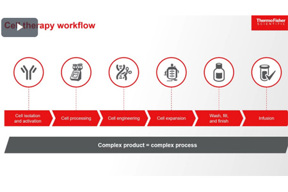
Leveraging Rapid Sterility Testing To Advance Cell Therapy Production
Explore the crucial role of rapid sterility testing in cell therapy manufacturing. This presentation delves into the benefits of swift, accurate detection for product quality and patient safety.

Microbial Identification Via DNA-Seq
Learn how DNA sequencing-based microbial identification supports regulatory compliance and enhances contamination control in critical environments.
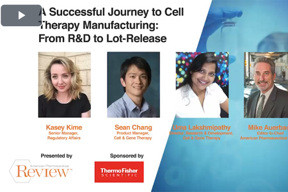
A Successful Journey To Cell Therapy Manufacturing
Learn about the three main areas to consider when you're preparing to commercialize a cell therapy, including starting/raw material, the controlled manufacturing process, as well as testing safety and quality.

Major Trends Impacting Allogeneic Cell Therapies For Oncology
We kicked off this Cell & Gene Live, Unlocking the Future of Allogeneic Cell Therapy for Oncology by discussing the major trends impacting allogeneic cell therapies for oncology.
Race To The Regulatory Finish Line: Dr. Nicole Verdun Talks Efficiencies In Platform Technologies
Could a platform approach help certain therapies make their way over the regulatory finish line more efficiently?
Key Regulatory Challenges, Innovations, And Opportunities For CGT In 2025
Kimberly Benton, Ph.D., Master Principal and Head of Regulatory at Dark Horse Consulting and Bambi Grilley, RPh, RAC, CIP, CCRC, CCRP, Director, Clinical Research and Early Product Development Center for Cell and Gene Therapy, Professor of Pediatrics Baylor College of Med...
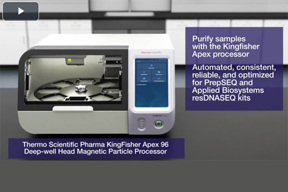
ResDNASEQ Workflow Solution
Explore the Applied Biosystems resDNASEQ workflow solutions. Starting with the sample preparation kit, to purification, quantitating residual host-cell DNA, and analyzing resDNASEQ assays.
CAR-T Innovation: Balancing Allogeneic And Autologous Cell Therapy
Join experts as they discuss strategies for optimizing allogeneic and autologous therapies, aiming for balanced development and wider patient accessibility by 2030.

Interview With Pharma Analytics Field Application Specialist - Sandi True
Hear Sandi True, a Field Applications Specialist discuss helping customers navigate challenges often encountered when evaluating and implementing Residual DNA Quantitation, Mycoplasma Detection, and Microbial Identification Assays.

Innovations In Mycoplasma And Sterility Testing For Biopharma
In this webinar, our expert speakers will discuss the types of analytical testing that can be effectively employed in the early stages of therapeutic development and subsequently scaled to meet production challenges.
Simple In-House Mycoplasma Testing Method For Regulatory Expectations And Rapid, Confident, And Actionable Results
In this webinar, we present an overview of worldwide regulatory guidance for mycoplasma testing, as well as a mycoplasma testing method that has been accepted by regulatory authorities worldwide across various therapeutic modalities.
2025 CGT Regulatory Outlook | Audience Q&A
Kimberly Benton, Ph.D., Master Principal and Head of Regulatory at Dark Horse Consulting and Bambi Grilley, RPh, RAC, CIP, CCRC, CCRP, Director, Clinical Research and Early Product Development Center for Cell and Gene Therapy, Professor of Pediatrics Baylor College of Med...

mRNA For Cancer Immunotherapy 2024 Outlook | Audience Q&A
During our Cell & Gene Live, mRNA For Cancer Immunotherapy 2024 Outlook, our expert panelists answered audience questions regarding patient safety, foreseeable challenges in mRNA cancer immunotherapy for solid tumors, and much more.
How The New Administration Could Shape FDA Oversight, Compliance, And Guidance In 2025
Kimberly Benton, Ph.D., Master Principal and Head of Regulatory at Dark Horse Consulting and Bambi Grilley, RPh, RAC, CIP, CCRC, CCRP, Director, Clinical Research and Early Product Development Center for Cell and Gene Therapy, Professor of Pediatrics Baylor College of Med...
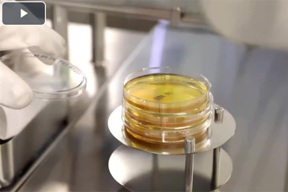
Rapid Micro Methods In QC Micro Testing: A NIBRT Perspective
Learn about some of the advanced Rapid Micro Method systems that are being adopted by biopharma companies worldwide, and how they are changing the face of QC Microbiological testing.
Other CGT Regulatory Challenges
During this segment of Cell & Gene Live, Tackling Cell and Gene Therapies’ Top 3 Regulatory Impediments, Nina Hunter, Ph.D., VP Corporate Strategy at REGENXBIO and Adora Ndu, PharmD, JD, Chief Regulatory Affairs Officer at BridgeBio detail their own experiences ...

Innovative Contamination Control: Enabling Integrity And Efficiency
An integrated approach can enhance contamination control, boost process efficiency, and ensure the production of high-quality cell therapy products.
Validation Of A qPCR Assay For Host Cell DNA Quantitation
Here, we share the development and validation of a new, highly sensitive and accurate integrated solution for detection and quantitation of host cell DNA to help meet regulatory requirements.
How Past Gene Therapy Approvals Are Shaping the Future with Dr. Peter Marks
In this segment of Cell & Gene Live, Dr. Peter Marks shared what he and his team have learned from current gene therapy approvals to accelerate future approvals.