
Viral Safety Timeline
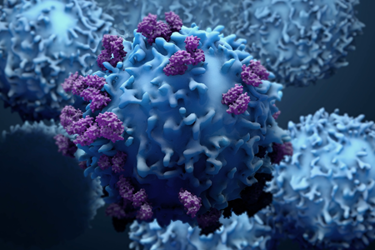
The evolution of viral‑safety practices reflects decades of scientific learning, real‑world contamination events, and regulatory refinement. Early discoveries—such as SV40 contamination in 1960 and the identification of endogenous retrovirus‑like particles in widely used cell substrates—exposed critical vulnerabilities in biologic manufacturing and set the stage for stricter controls. By the 1980s and 1990s, validated inactivation approaches like solvent‑detergent treatment, low‑pH holds, and the emergence of virus‑removal filtration had become foundational elements of modern viral‑clearance strategies.
Subsequent incidents, including the detection of porcine circovirus DNA in licensed vaccines, spurred renewed scrutiny of raw materials and molecular detection technologies. Regulatory frameworks continued to mature, with landmark guidance such as ICH Q5A and its 2023 revision expanding expectations for viral‑vector products, continuous manufacturing, and advanced molecular assays including NGS and PCR‑based methods.
Collectively, these milestones established the layered, science‑driven viral‑safety systems that define current biologics and advanced‑therapy manufacturing.
Get unlimited access to:




Enter your credentials below to log in. Not yet a member of Cell & Gene? Subscribe today.