
The New Rules Of Developing Novel AAV Capsids
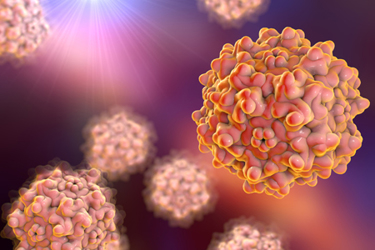
The AAV gene therapy field is moving beyond reliance on a small number of naturally occurring serotypes toward engineered capsids designed for specific tissues, routes of administration, and therapeutic objectives. Rational design, directed evolution, and computational approaches are expanding the available vector toolbox and creating opportunities to improve tissue specificity, reduce effective doses, and potentially ease manufacturing demands.
However, novel capsids also challenge assumptions about platform development. Even subtle modifications can affect productivity, purification performance, analytical testing, biodistribution, and immunogenicity, making it risky to treat an engineered vector as essentially equivalent to its parent serotype. Manufacturability should therefore be incorporated into capsid selection, alongside biological performance, with developers evaluating productivity, packaging efficiency, recovery, and downstream behavior early. Analytical and immunogenicity strategies also require early planning, particularly around assay suitability and positive controls.
As regulatory expectations continue to develop, sponsors will need product-specific characterization and strong scientific justification. Looking ahead, integrated screening frameworks and AI-driven design may increasingly connect biological performance with manufacturing and analytical considerations.
Get unlimited access to:




Enter your credentials below to log in. Not yet a member of Cell & Gene? Subscribe today.