
From Bespoke To Off-The-Shelf: The Manufacturing Reckoning Behind CAR-T's Hottest Race
By Amalia Soenens & Lindsey Wolf
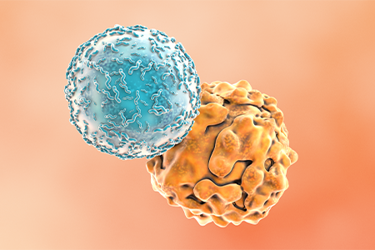
The rapid emergence of in vivo CAR-T cell therapy marks a profound shift in the advanced therapeutics landscape, moving from traditional patient-specific extraction toward off-the-shelf delivery methods. By administering viral vectors or lipid nanoparticles (LNPs) directly to the patient, this approach aims to streamline the multi-week production timelines, compress therapeutic delivery down to weeks, and significantly reduce treatment costs.
However, bypassing ex vivo cell engineering shifts the primary biological challenge into a rigorous manufacturing and analytical problem. Because the delivery vehicle itself becomes the final drug product, developers face heightened regulatory scrutiny regarding purity, potency, and targeting efficiency. Tight control over critical raw materials—such as mitigating impurity-driven bonds in ionizable lipids—and building specialized assays to prove cellular targeting are essential steps to avoid clinical holds. Navigating these challenges requires robust, integrated chemistry, manufacturing, and controls (CMC) packages right from the first clinical run to protect long-term program viability.
Get unlimited access to:




Enter your credentials below to log in. Not yet a member of Cell & Gene? Subscribe today.