
The Hidden Risks Of Novel Capsid Generation (And How To Avoid Them)
By Jacob Smith, Viralgen; Sabrina Triffault, Genosafe; Laurence Jeanson-Leh, GenoSafe; Jacob Staudhammer, Dark Horse Consulting Group; Daniel Lourenco, Dark Horse Consulting Group
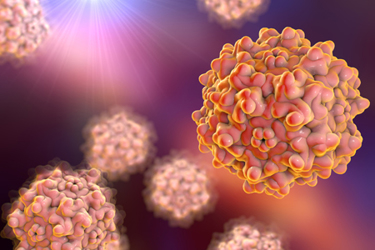
Engineering novel capsids through rational design and directed evolution unlocks incredible potential for viral vector applications, yet minor structural alterations frequently trigger unexpected challenges in manufacturing and analytical testing. Sequence similarity to a parent serotype does not guarantee process compatibility; even subtle surface changes can disrupt affinity resin binding, full/empty separation, and host cell protein profiles. Furthermore, quality control strategies often require tailored identity, safety, and potency assays alongside custom positive controls. Integrating capsid selection, manufacturing feasibility, and analytical development from the earliest stages helps mitigate these hidden roadblocks.
Read the full article to discover practical benchmarking strategies and regulatory approaches that safeguard your next-generation viral vector programs.
Get unlimited access to:


Enter your credentials below to log in. Not yet a member of Cell & Gene? Subscribe today.