
The Hidden Challenges Of Peptide Development: Bridging Discovery, Developability, And Commercial Reality
By Daniel Weinbuch and Andreas Stelzl
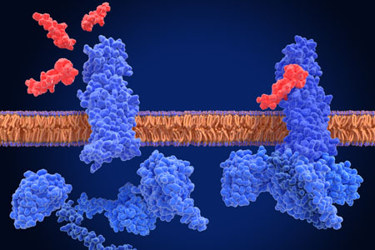
The rapidly expanding peptide therapeutics market requires developers to abandon a traditional small-molecule mindset. Bridging the gap between small molecules and biologics, heavily modified peptide sequences offer high potency and versatility. However, these complex modifications introduce unique liabilities, including limited solubility, sequence-dependent aggregation, multifaceted degradation, and strict occupational exposure requirements for highly potent compounds.
Because platform approaches rarely apply to peptides, success hinges on tailored development strategies. Critical disconnects often arise between discovery and development teams regarding developability risks, stability profiles, and safe handling of liquid versus powder formulations. Furthermore, the market demand for patient-friendly, high-concentration subcutaneous injections exacerbates technical hurdles like high viscosity, filter fouling, mechanical shear stress, and preservative interactions.
To mitigate these risks and avoid costly late-stage failures, developers must prioritize early cross-functional collaboration among discovery, toxicology, and drug product development teams. Incorporating in silico modeling, forced degradation studies, and early commercial market insights ensures a smooth transition to manufacturing. Partnering with experienced CDMOs capable of handling high-potency molecules further ensures clinical, operational, and commercial success.
Get unlimited access to:




Enter your credentials below to log in. Not yet a member of Cell & Gene? Subscribe today.