
The Future Of DNA Production: Speed, Scalability, And Cell-free Innovation
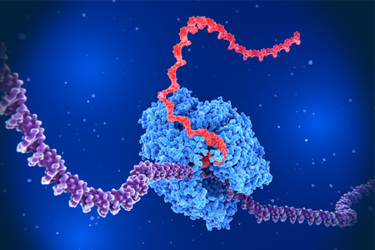
Advanced therapies have historically relied on fermentation-based plasmid DNA to power clinical innovation, but the biological risks inherent to bacterial production are driving a industry-wide shift toward cell-free alternatives. Producing DNA outside of cells using recombinant enzymes bypasses common manufacturing bottlenecks, such as sequence instability and the unintended replication of bacterial backbone sequences. This enzymatic approach yields highly predictable scalability, ensuring that the same reaction components apply from milligram to large gram quantities while maintaining strict quality attributes. Beyond improving safety profiles, cell-free platforms allow developers to access unique DNA architectures that are otherwise impossible to produce in traditional bacterial systems. Transitioning to an enzymatic platform streamlines cost-of-goods and simplifies global technology transfers, positioning therapeutic pipelines for long-term commercial readiness.
Read the full Q&A article to discover how enzymatic DNA innovation is future-proofing the landscape of genetic medicine.
Get unlimited access to:




Enter your credentials below to log in. Not yet a member of Cell & Gene? Subscribe today.