
Synthetic DNA As An Alternative For Scalable Viral Vector Production
By Cindy Muralles, Kyle Sylakowski, Chad C. MacArthur, Diego Matayoshi, Tom Merritt, Hetal Brahmbhatt, Jessica Tate, and Uma Lakshmipathy
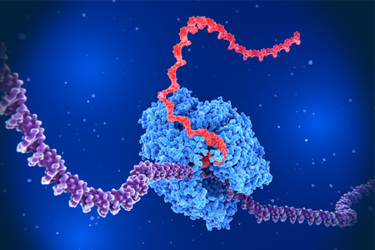
As demand for gene therapies continues to rise, manufacturing processes for viral vectors are under pressure to scale efficiently while meeting tightening regulatory expectations. A key constraint is the reliance on plasmid DNA, which can introduce supply bottlenecks, contamination risks, and regulatory complexity tied to bacterial production systems.
This piece explores an enzymatically generated DNA alternative designed to bypass bacterial intermediates altogether. Through side‑by‑side comparisons in both adeno‑associated and lentiviral systems, the study examines how this approach performs across transfection, production yield, purification recovery, and functional activity. Results show that viral vectors produced using this synthetic DNA achieve yields and quality metrics comparable to traditional plasmids, often using lower DNA and reagent inputs.
The findings highlight practical considerations for improving manufacturing efficiency without compromising vector integrity or potency. For teams focused on scaling viral vector production, this work offers data‑driven insight into how alternative DNA inputs could help relieve persistent manufacturing constraints and support long‑term clinical and commercial needs.
Get unlimited access to:




Enter your credentials below to log in. Not yet a member of Cell & Gene? Subscribe today.