
Selecting Barrier Technologies For Aseptic Processing: A Risk-Based Decision Framework Aligned With EU GMP Annex 1
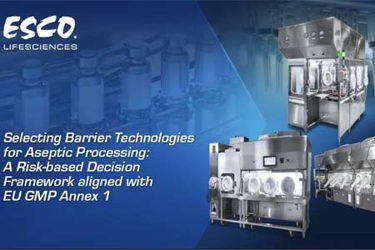
The regulatory landscape for aseptic processing has undergone a fundamental shift, moving from prescriptive checklists to a holistic, risk-based approach centered on Quality Risk Management (QRM). At the heart of this transition is the selection of appropriate barrier technologies—Isolators or Restricted Access Barrier Systems (RABS)—to protect the critical Grade A environment. Choosing between these systems is no longer a matter of simple preference; it requires a documented Contamination Control Strategy (CCS) that justifies how a specific technology minimizes risks to the patient.
Key considerations in this decision framework include the frequency of human intervention, the robustness of decontamination methods—such as automated vaporized hydrogen peroxide versus manual sporicidal application—and the surrounding cleanroom classification. While isolators offer maximum physical separation and automated cycles, RABS provide flexibility but demand more rigorous operator discipline and a higher-grade background environment. Understanding these nuances is essential for ensuring sterility assurance in modern pharmaceutical manufacturing. You can explore the full strategic framework for barrier selection in the complete article.
Get unlimited access to:




Enter your credentials below to log in. Not yet a member of Cell & Gene? Subscribe today.