
Reimagining DNA Payloads; Enzymatic Circular DNA For The Next Generation Of Gene Editing
By Mitchell Brun, Ph.D., Lisa Caproni, Ph.D., and Milica Vukovic, Ph.D MBA.
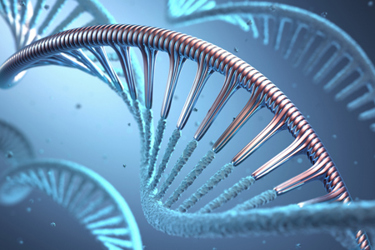
Bacterial plasmid DNA has served as the foundational building block for genetic medicines for decades. However, as therapeutic designs become more sophisticated, the inherent constraints of traditional plasmid manufacturing—characterized by complex bacterial fermentation, slow production timelines, and persistent impurity risks—have become a significant bottleneck. Advanced therapies require a shift toward enzymatic, cell-free synthesis methods that can rapidly deliver high-purity DNA payloads while entirely eliminating bacterial contaminants and reducing donor-to-donor variability.
By moving beyond the rigid constraints of fermentation, therapeutic developers can leverage diverse DNA architectures tailored to specific delivery mechanisms. High-purity linear double-stranded DNA constructs provide exceptional templates for mRNA production and viral vector manufacturing, while novel circular structures engineered without backbone sequences optimize homology-directed repair (HDR) and non-viral gene editing.
Download the full white paper to explore the deep technical advancements transforming modern DNA design and driving superior manufacturing economics across the industry.
Get unlimited access to:




Enter your credentials below to log in. Not yet a member of Cell & Gene? Subscribe today.