
Pharmacogenomics In Oncology: A Pharmacokinetic Perspective
By Anuli Khairatkar
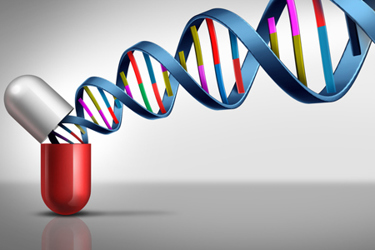
The outcome of a medical treatment is not solely determined by the efficacy of the drug itself. It also depends on multiple factors, such as the patient’s genetic makeup, biological characteristics of the disease, and individual clinical factors like age, sex, and body weight.1 Because of these inter-patient variations, different patients may respond very differently to the same medication — some may experience excellent therapeutic benefits, others may show little to no response, and some may suffer from severe toxic effects. Personalized medicine is an evolving approach that tailors medical treatment to each patient by integrating clinical and genetic factors to guide drug selection and dosing, ultimately maximizing efficacy while minimizing adverse effects.
Pharmacogenomics: Genetics And Drug Response
Pharmacogenomics (PGx) is a branch of personalized medicine that examines how genetic differences shape an individual’s response to medications.1 These differences include single‑nucleotide polymorphisms (SNPs), which alter a single DNA base; small insertions and deletions (indels), which add or remove short DNA segments; and copy‑number variations (CNVs), which increase or decrease the number of copies of larger genomic regions, in genes involved in drug metabolism, transport, and drug targets. PGx can be broadly grouped into two complementary domains: pharmacokinetics (PK), which is the study of how much drug reaches its site of action, and pharmacodynamics (PD), which is the study of how a drug interacts with its molecular targets.
PK‑focused pharmacogenomics (PK-PGx) examines genetic variation in drug‑metabolizing enzymes (DMEs), such as the cytochrome P450 (CYP450) family, as well as drug transporters and drug clearance pathways, which collectively determine how much of the total drug administered actually reaches the site of action.2 PK-PGx identifies which genes are polymorphic, which alleles — often defined by specific SNPs or other variants — are common, and how those genes alter enzyme activity, drug exposure, and toxicity risk. PD‑focused pharmacogenomics, by contrast, emphasizes variation in drug targets, receptors, and signaling proteins, including genes that influence drug target sensitivity and downstream signaling.2 Variants that impact both PK and PD are therefore highly relevant in therapeutic areas, such as oncology, cardiovascular medicine, and neuropsychiatry.3 Although both PK and PD variation shape interindividual differences in drug response across diverse disease contexts, this article focuses primarily on PK-PGx, specifically genetic variation in drug-metabolizing enzymes and its impact on drug metabolism.
PK-PGx In Oncology And The Dual-Genome Perspective
As a disease that arises from genetic aberration, cancer has become one of the fastest growing areas for the clinical application of pharmacogenomics. In the field of oncology, the true power of personalized medicine lies in the realization that we aren't just managing one genome, we are managing two: the tumor genome and the patient genome. To provide effective care, variations in both the tumor genome and the patient’s genome are accounted for, as each dictates a different side of the therapeutic coin.
Tumor genome profiling helps predict drug response based on tumor characteristics; for example, HER2 amplification in breast cancer identifies patients who may benefit from trastuzumab, and detection of hallmarks like the Philadelphia chromosome and BCR-ABL fusion in chronic myeloid leukemia supports the use of imatinib‑based therapy.4 However, tumor genome profiling alone does not always capture how the patient’s body will metabolize and clear the drug. This is where the patient's genome or germline plays a significant role — the germline refers to the inherited variants present in every cell of the body from birth. In the context of PK-PGx, germline variants influence systemic drug metabolism and clearance. Patients with germline variation in key drug‑metabolizing enzymes, such as the CYP450, thiopurine S-methyltransferase (TPMT),6 and dihydropyrimidine dehydrogenase (DPD, encoded by DPYD gene), can alter drug clearance and may lead to prolonged exposure at high concentrations that can cause toxicity to healthy tissues.7 For example, TPMT deficiency often requires major thiopurine dose reductions, and DPYD variants can identify patients at risk for severe fluoropyrimidine toxicity.6 Many such oncology drugs have a narrow therapeutic index, so even a moderate reduction in enzyme activity can shift the balance from effective treatment to life‑threatening toxicity.8 Powerful tools like PK-PGx can address this by profiling how germline variation shapes the way the body absorbs, distributes, metabolizes, and excretes drugs. This is typically done through a combination of genetic testing, where patient DNA (often obtained via blood or saliva) is analyzed for highly polymorphic genes encoding key cytochrome P450 (CYP) liver enzymes. This data is then subjected to clinical pharmacokinetic modeling to personalize drug selection and dosing. To understand how these enzymes influence drug response, it is useful to consider the broader framework of drug metabolism.
Basics Of Drug Metabolism
When a drug enters the body, it undergoes a series of biochemical transformations collectively known as drug metabolism, which determines how long and how effectively the drug remains active.9 Most of these reactions occur in the liver and are classified into two main phases:
Phase I reactions: These reactions involve oxidation, reduction, or hydrolysis of drugs, essentially introducing or uncovering reactive functional groups.9 The cytochrome P450 (CYP450) enzyme family carries out most of the oxidative metabolism reactions. In oncology, important examples of Phase I drug metabolism include cyclophosphamide, which requires CYP-mediated bioactivation to form its active cytotoxic metabolites,10 and tamoxifen, which undergoes CYP-mediated oxidation to form active metabolites.11 Another clinically relevant Phase I example is 5-fluorouracil (5-FU), whose breakdown depends on the metabolic reductase DPD. Reduced DPD activity can lead to dangerous drug accumulation and severe toxicity.12 Genetic variations in these genes can dramatically alter enzyme activity, rendering some individuals unable to metabolize some drugs, ultimately leading to toxic accumulation of the drug. Alternatively, it can also lead to patients rapidly metabolizing drugs, causing reduced therapeutic efficacy.9
Phase II reactions: These reactions involve conjugation, such as adding glucuronic acid, sulfate, or glutathione, to the drug or its metabolites to make them more water-soluble and easier to excrete.9 Key Phase II enzymes include TPMT, UDP-glucuronosyltransferase (encoded by UGT1A1 gene), N-acetyltransferases, and glutathione-S-transferases. In oncology, important examples include irinotecan, whose active metabolite SN-38 is inactivated by UGT1A1-mediated glucuronidation,13 and thiopurines such as 6-mercaptopurine, which require TPMT-mediated metabolism.14 Like Phase I enzymes, Phase II enzymes also exhibit genetic polymorphisms that can influence drug clearance and toxicity risk.
Adverse Drug Reactions And Clinical Translation Of PK-PGx
Together, variations in Phase I and Phase II enzyme activity account for substantial inter-individual variability in drug pharmacokinetics. These metabolic differences translate directly into variability in systemic exposure, which is a key driver of adverse drug reactions (ADRs).15 ADRs are harmful or unintended responses that occur following the use of a medication at normal therapeutic doses. ADRs can be categorized by organ system, severity, or mechanism, with clinical examples including gastrointestinal toxicity, hematologic toxicity, cardiotoxicity, and renal or hepatic injury.15 ADRs are responsible for a substantial proportion of hospital admissions globally, accounting for 4.2%–30% in the U.S. and Canada, 5.7%–18.8% in Australia, and 2.5%–10.6% in Europe.16 Beyond their impact on patient safety, ADRs also impose a major economic burden, costing the U.S. healthcare system up to $30.1 billion annually. Hospital-based ADRs in the U.S. alone may cost approximately $13,994 in non-ICU settings and $19,685 in ICU settings.16
Given the substantial role of genetic variation in drug response and toxicity, PK-PGx has globally emerged as an important strategy for improving medication safety and efficacy. Preemptive or reactive testing can identify patients at risk for severe adverse reactions or treatment failure before therapy begins. In a large, randomized trial of 6,944 patients across primary care, oncology, and general medicine in seven European countries, genotype-guided prescribing reduced adverse drug reactions by 33% compared with standard care.17 The panel assessed 12 actionable genes involved in drug metabolism, transport, and response, and 93.5% of patients carried at least one actionable variant. Using Dutch Pharmacogenetics Working Group guidelines, clinicians adjusted drug choice and dosing according to genotype, supporting the clinical value of preemptive PGx testing.17
Additional real-world evidence shows that actionable pharmacogenomic variants are highly prevalent in clinical populations. In one pharmacogenomic clinic cohort in the U.S., 94% of patients were referred from outpatient settings, 72% had never previously undergone PGx testing, and every patient carried at least one potentially actionable variant, with an average of 5.6 variants per patient.18 The most frequently implicated genes were CYP2C19, UGT1A1, CYP2D6, and CYP2C9, and integrating PGx results into care led to meaningful medication changes.18 Together, these findings suggest that PK-based pharmacogenomic variation is common and clinically actionable, supporting its routine use to reduce ADRs and optimize treatment outcomes.
To translate pharmacogenomic concepts into clinical practice, the Pharmacogene Variation (PharmVar) Consortium curates star-allele definitions for gene variants, creating a uniform language for laboratories and clinicians.19 Each person has two copies of most genes — one from each parent — and genetic variants on each copy are grouped into haplotypes that receive star‑allele labels, such as *1 (normal), *4 (inactive), or *10 (duplicated). An individual’s diplotype (e.g., *1/*4) predicts how efficiently that person metabolizes specific drugs.19 The numbering reflects both historical discovery order and functionally meaningful clusters of variation, and multiple rare sub‑alleles are often grouped under a single star label when they share similar functional effects on enzyme activity. Building on this system, guidelines from the Clinical Pharmacogenetics Implementation Consortium (CPIC) translate genetic results into clear functional labels that describe a patient’s predicted metabolic phenotype: poor metabolizers (little or no activity, with risk of toxic accumulation of active drugs or poor benefit from prodrugs), intermediate metabolizers (reduced activity and potential need for dose adjustments), normal metabolizers (reference activity), and rapid or ultrarapid metabolizers (increased activity that can lower exposure and reduce treatment effect).20 This standardized approach links large‑scale population data and reproducible variant‑to‑phenotype relationships into consistent, testable dosing guidelines.

PK-PGx In Preclinical Research
PK-PGx provides a genetic map of key DME variants that can also be used in preclinical research to design experiments that directly model human variability and identify PK liabilities before drugs reach the clinic. In practice, relevant human liver microsomes and primary hepatocytes are incubated with candidate drugs to quantify intrinsic clearance and metabolite formation, providing early insight into which pathways dominate hepatic elimination.21 Recombinant CYP enzymes and DME variant‑expressing cell lines allow reaction phenotyping and head‑to‑head comparison of wild‑type and pharmacogenomic variants, revealing whether specific alleles slow clearance, alter prodrug activation, or favor the formation of reactive or potentially toxic metabolites.22,23 Functional genomics screens, including RNAi and CRISPR, extend this approach by systematically identifying genes that make cancer cells more or less sensitive to a drug, enabling the discovery of pharmacogenomic biomarkers and resistance mechanisms before large clinical trials. This upstream integration of PGx can identify genotype‑dependent differences in drug exposure and response, supporting earlier go/no‑go decisions and lowering late‑stage attrition of candidate drugs. This increases the likelihood that a drug candidate will be safe and effective across genetically diverse patient populations. In this sense, PK‑pharmacogenomics extends the core idea of personalized medicine back into the discovery phase, allowing variability in drug metabolism and clearance to be considered at the point where compounds and dosing strategies are first tested.
Pharmacogenomics is no longer a niche reactive tool used only after treatment failure — it is steadily evolving into a preemptive approach to drug development both at a preclinical and clinical level. The adoption of multi‑gene panels and pharmacogenomic biomarkers in a preclinical setting allows decoding variable DME kinetics during the investigation phase to guide drug development. Clinically, PK‑pharmacogenomics enables genotype‑guided prescribing that reduces adverse drug reactions and improves efficacy by tailoring drug choice and dosing to each patient’s metabolic profile. However, moving these insights from bench to bedside remains difficult, as preclinical pipelines face bottlenecks in model fidelity and cell‑line epigenetic drift, while real‑world implementation is constrained by cost barriers, limited integration into electronic health records, and underrepresentation of diverse populations, all of which limit predictive accuracy. Continued investment in systems that integrate pharmacogenomic data into preclinical workflows and routine clinical care will support the application of PK‑PGx across both stages of drug development, making current gaps in prediction and implementation increasingly surmountable.
References
- Qahwaji, R., et al. “Pharmacogenomics: A Genetic Approach to Drug Development and Therapy.” Pharmaceuticals, vol. 17, no. 7, 2024, p. 940. DOI:10.3390/ph17070940.
- Tracy, Timothy S., et al. “Interindividual Variability in Cytochrome P450-Mediated Drug Metabolism.” Drug Metabolism and Disposition, vol. 44, no. 3, 2016, pp. 343–351. DOI: 10.1124/dmd.115.067900.
- Zhang, X. T., et al. “Enhancing Clinical Research with Pharmacogenomics: A Practical Perspective.” Bioanalysis, vol. 17, no. 6, 2025, pp. 399–411. DOI: 10.1080/17576180.2025.2481019.
- Fernandez-Rozadilla, Carmen, et al. “Tumor Profiling at the Service of Cancer Therapy.” Frontiers in Oncology, vol. 10, 2021, p. 595613. DOI: 10.3389/fonc.2020.595613.
- Ahmed, S., et al. “Pharmacogenomics of Drug Metabolizing Enzymes and Transporters: Relevance to Precision Medicine.” Genomics, Proteomics & Bioinformatics, vol. 14, no. 5, 2016, pp. 298–313. DOI: 10.1016/j.gpb.2016.03.008.
- Pinto, N., and M. E. Dolan. “Clinically Relevant Genetic Variations in Drug Metabolizing Enzymes.” Current Drug Metabolism, vol. 12, no. 5, 2011, pp. 487–497. DOI: 10.2174/138920011795495321.
- Khushman, Michael, et al. “Germline Pharmacogenomics of DPYD*9A (c.85T>C) Variant in Patients with Gastrointestinal Malignancies Treated with Fluoropyrimidines.” Journal of Gastrointestinal Oncology, vol. 9, no. 3, 2018, pp. 416–424. DOI: 10.21037/jgo.2018.02.03.
- Chen, Y. S., et al. “Use of Drug Sensitisers to Improve Therapeutic Index in Cancer.” Pharmaceutics, vol. 16, no. 7, 2024, p. 928. DOI: 10.3390/pharmaceutics16070928.
- Susa, S. T., A. Hussain, and C. V. Preuss. “Drug Metabolism.” StatPearls, StatPearls Publishing, 2026
- Helsby, N. A., et al. “The Importance of Both CYP2C19 and CYP2B6 Germline Variations in Cyclophosphamide Pharmacokinetics and Clinical Outcomes.” British Journal of Clinical Pharmacology, vol. 85, no. 9, 2019, pp. 1925–1934. DOI: 10.1111/bcp.14031.
- Singh, M. S., P. A. Francis, and M. Michael. “Tamoxifen, Cytochrome P450 Genes and Breast Cancer Clinical Outcomes.” The Breast, vol. 20, no. 2, 2011, pp. 111–118. DOI: 10.1016/j.breast.2010.11.003.
- Tecza, Karolina, et al. “Pharmacogenetics of Toxicity of 5-Fluorouracil, Doxorubicin and Cyclophosphamide Chemotherapy in Breast Cancer Patients.” Oncotarget, vol. 9, no. 10, 2018, pp. 9114–9136. DOI: 10.18632/oncotarget.24148.
- Takano, Masanori, and Tetsuya Sugiyama. “UGT1A1 Polymorphisms in Cancer: Impact on Irinotecan Treatment.” Pharmacogenomics and Personalized Medicine, vol. 10, 2017, pp. 61–68. DOI: 10.2147/PGPM.S108656.
- Maitland, Michael L., K. Vasisht, and Mark J. Ratain. “TPMT, UGT1A1 and DPYD: Genotyping to Ensure Safer Cancer Therapy?” Trends in Pharmacological Sciences, vol. 27, no. 8, 2006, pp. 432–437. DOI: 10.1016/j.tips.2006.06.007.
- Pirmohamed, Munir, and B. Kevin Park. “Genetic Susceptibility to Adverse Drug Reactions.” Trends in Pharmacological Sciences, vol. 22, no. 6, 2001, pp. 298–305. DOI: 10.1016/S0165-6147(00)01717-X.
- Sultana, Janet, et al. “Clinical and Economic Burden of Adverse Drug Reactions.” Journal of Pharmacology & Pharmacotherapeutics, vol. 4, suppl. 1, 2013, pp. S73–S77. DOI: 10.4103/0976-500X.120957.
- Swen, Jesse J., et al. “A 12-Gene Pharmacogenetic Panel to Prevent Adverse Drug Reactions: An Open-Label, Multicentre, Controlled, Cluster-Randomised Crossover Implementation Study.” The Lancet, vol. 401, no. 10374, 2023, pp. 347–356. DOI: 10.1016/S0140-6736(22)01841-4.
- Slosser, Hunter, et al. “Precision Medicine in Action: Implementation and Utility of Pharmacogenomic Testing in a Clinical Setting.” Genetics in Medicine Open, vol. 3, suppl. 2, 2025, p. 102274. DOI: 10.1016/j.gimo.2025.102274.
- Haidar, Cynthia E., et al. “Advancing Pharmacogenomics from Single-Gene to Preemptive Testing.” Annual Review of Genomics and Human Genetics, vol. 23, 2022, pp. 449–473. DOI: 10.1146/annurev-genom-111621-102737.
- Pharmacogene Variation Consortium. PharmVar. www.PharmVar.org. Accessed 11 May 2026.
- Horspool AM, Wang T, Scaringella YS, Taub ME, Chan TS. Human Liver Microsomes Immobilized on Magnetizable Beads: A Novel Approach to Study In Vitro Drug Metabolism. Drug Metab Dispos. 2020 Aug;48(8):645-654. doi: 10.1124/dmd.120.090696. Epub 2020 May 30. PMID: 32474441; PMCID: PMC7370995.
- Shang T, Fang CM, Ong CE, Pan Y. Heterologous Expression of Recombinant Human Cytochrome P450 (CYP) in Escherichia coli: N-Terminal Modification, Expression, Isolation, Purification, and Reconstitution. BioTech (Basel). 2023 Feb 7;12(1):17. doi: 10.3390/biotech12010017. PMID: 36810444; PMCID: PMC9944785.
- Xuan J, Chen S, Ning B, Tolleson WH, Guo L. Development of HepG2-derived cells expressing cytochrome P450s for assessing metabolism-associated drug-induced liver toxicity. Chem Biol Interact. 2016 Aug 5;255:63-73. doi: 10.1016/j.cbi.2015.10.009. Epub 2015 Oct 22. PMID: 26477383; PMCID: PMC5727584.
About The Author
 Anuli Khairatkar is a biomedical scientist and science communicator specializing in cancer immunology and preclinical drug development. She began her career in a CRO setting, where she independently executed preclinical assays using oncolytic virology platforms and patient-derived organoids, earning recognition for exceeding revenue milestones. She later spent three years in the biotech industry contributing to immunotherapy pipeline development, with a focus on T-cell engagers and translational preclinical strategy. She is currently pursuing a Ph.D. in cancer immunology, where she studies tumor–immune interactions within the tumor microenvironment to better understand mechanisms of immune evasion and therapeutic resistance.