
PCR In Clinical Development
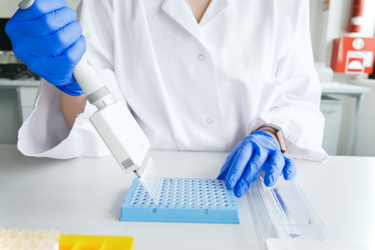
This overview explores how PCR technologies support clinical development, from early research through diagnostic applications. It highlights where different approaches are most effective, comparing digital PCR (dPCR) with quantitative PCR and RT-qPCR. dPCR is well-suited for highly sensitive analyses — such as mutation detection, SNP analysis, copy number variation, liquid biopsy, and detecting very low levels of genomic DNA — while qPCR and RT-qPCR remain essential tools for gene expression studies, pathogen detection, and large-scale microbiome research.
It also walks through practical considerations for building reliable assays, including choosing the right detection method, refining primer and probe design, and ensuring a thorough validation process. Key validation parameters are emphasized as critical to delivering consistent, trustworthy results.
Taken together, it provides a clear, practical look at how PCR technologies are applied and validated to support modern clinical research and diagnostic workflows.
Get unlimited access to:




Enter your credentials below to log in. Not yet a member of Cell & Gene? Subscribe today.