
Optimizing Adenoviral Production With Adaptive Process Architecture
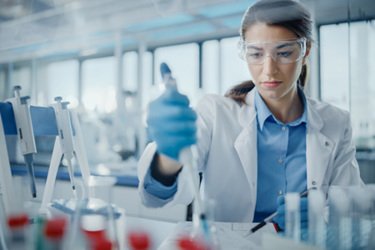
Successfully advancing adenoviral programs requires balancing high-yield upstream production with streamlined downstream engineering. Developing an adaptive development strategy early in the process lifecycle creates essential alignment across construct design, cell line selection, purification, and banking. This early-stage optimization directly mitigates replication-competent adenovirus risks while safeguarding critical quality attributes like potency, identity, and genome integrity.
Transitioning from traditional, chromatography-heavy purification workflows to a modern hybrid system dramatically enhances operational economics. Utilizing anion-exchange membrane-based capture combined with flow-through polishing eliminates the need for ultracentrifugation, delivering a 70% to 85% downstream recovery rate. This innovative architecture reduces processing times by approximately 50% and slashes buffer consumption by 70% compared to conventional methodologies. Scalable from bench to 500 liters, this flexible framework ensures high purity and consistent virus harvest titers.
Discover how these adaptive manufacturing solutions can accelerate your program's path to market.
Get unlimited access to:




Enter your credentials below to log in. Not yet a member of Cell & Gene? Subscribe today.