
Lessons From Bringing A Novel T Cell Class For Autoimmune Diseases Into The Clinic
A conversation between TR1X Bio Founder and CEO David de Vries and Clinical Leader Executive Editor Abby Proch
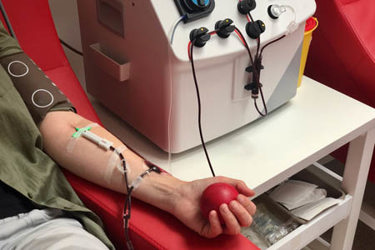
Tr1X Bio is advancing the first allogeneic engineered Type 1 regulatory T cell (Tr1) therapies into the clinic for the treatment of various autoimmune diseases. Allogeneic cell therapy is becoming more common in cancer research, but this foray into Crohn’s disease, multiple sclerosis, and uveitis comes with its own challenges.
In this interview, Tr1X Bio’s co-founder and CEO David de Vries explains how moving this class of drugs into new indications reshapes every facet of first-in-human trial design, including selecting patient populations, building mechanistic proof into early protocols, and leveraging the advantages of allogeneic, off-the-shelf cell therapy to simplify dosing and logistics. de Vries also highlights how immune tolerance research requires proper investigator training, infrastructure, and regulatory strategies to safely scale these therapies across multiple chronic disease indications.
Clinical Leader: When you think about designing first-in-human trials for immune tolerance mechanisms, what are the top design decisions that clinical operations must get right to ensure safety and generate convincing proof-of-mechanism?
David de Vries: The most critical decisions are patient population, dose strategy, and how proof-of-mechanism is embedded from day one. Because the goal is immune recalibration rather than suppression or cytotoxicity, the risk-benefit profile is fundamentally different from oncology.
We begin with well-characterized refractory populations. In Crohn’s, these are patients who have failed nearly all if not all approved therapies and face surgery or hematopoietic stem cell transplantation (HSCT) as their last resort. Our allogeneic, off-the-shelf platform gives us flexibility that autologous approaches cannot match: re-dosing is feasible, enrollment is not constrained by patient-specific manufacturing, and dose-response relationships can be explored efficiently. No traditional fludarabine/cyclophosphamide (Flu/Cy) conditioning is required, and we have observed no cytokine release syndrome (CRS), enabling an outpatient-first model that clearly differentiates from oncology CAR-T.
Dose-escalation must extend beyond traditional dose-limiting toxicity (DLT) windows with real-time PK/PD and immune phenotyping. Proof-of-mechanism is designed around infectious tolerance: the ability of administered Tr1 cells to induce endogenous regulatory pathways, propagating tolerance beyond the transferred cells. This is the core thesis of the platform, and the protocol must demonstrate it through functional assays and immune profiling, not simply reduction of inflammation.
Immune tolerance agents can have delayed or subtle clinical effects compared with cytotoxic therapies. How does this influence your choice of early endpoints, follow-up duration, and signal detection?
Our approach is translational-first. We focus on objective mechanisms of activity and then observe how those correlate to clinical endpoints. Clinical scores in autoimmune disease can be noisy, so anchoring signal detection in mechanistic biomarkers provides a more robust proof-of-concept narrative.
Early endpoints are designed to detect the multi-modal mechanisms of action of our Tr1 cell therapies: not just inflammation reduction and immunomodulation, but recruitment and enhancement of endogenous regulatory mechanisms. We use a three-layer framework: cell persistence and trafficking of our infused product (PK), immune modulation including reduction of inflammation, reduction of T cell activity and regulatory cell induction (PD), and clinical disease activity metrics. Correlating across these layers builds the proof-of-mechanism story.
Endpoint strategy differs by indication. For Crohn’s, this means a combinatorial approach involving the composite Crohn’s Disease Activity Index score, endoscopy assessments, markers of mucosal inflammation, such as fecal calprotectin, and patient-reported outcomes. For TRX319 in progressive multiple sclerosis (MS), this similarly involves monitoring of disability progression via Expanded Disability Status Scale (EDSS) alongside imaging and cerebrospinal fluid (CSF) biomarkers including oligoclonal bands, kappa free light chains, and neurofilament light chain, plus deep B cell depletion in CSF and tissues. For uveitis, it means visual acuity and intraocular inflammation grading as well as relapse monitoring. Meaningful early signals include disease stabilization and consistent downward trends in inflammatory activity correlated with immune modulation over time.
As you have built operational infrastructure for a non-oncology cell therapy, what differs most compared with typical oncology-focused cell therapy models, particularly around site capabilities, training, and logistics?
The biggest differentiators are allogeneic manufacturing and the safety profile of our cells. Our off-the-shelf product eliminates patient-specific supply chain complexity: no apheresis, no vein-to-vein logistics, no manufacturing slot coordination. The product is available when the patient is ready. Providers can thaw it at the bedside in a few minutes and just hang the IV bag.
Furthermore, there is no need for traditional Flu/Cy conditioning and lack of observed CRS enables outpatient administration with a fundamentally different pre- and post-dose monitoring protocol than oncology CAR-T. The operational footprint at each site is lighter, and the patient experience is transformed.
Our site network is built around academic centers with both autoimmune expertise and oncology cell therapy experience. Training focuses on the nuances of Tr1 cell therapy rather than CRS/immune effector cell-associated neurotoxicity syndrome (ICANS) management. Our graft-versus-host disease (GvHD) program was strategically valuable here as it validated safety and feasibility of this therapy in an oncology/transplant population while building bridges between hematology and autoimmune service lines at key centers. Those institutional relationships and site-specific workflows have translated into a Tr1X Bio clinical playbook that has now directly informed successful implementation of our Crohn’s, uveitis, and MS protocols.
What specific processes or functional capabilities did you prioritize early to ensure your platform could scale beyond the first trial?
Three areas: scalable manufacturing, integrated translational operations, and cross-indication mechanistic validation.
Our fully closed allogeneic process yields tens of billions of cells per run at commercial cost of goods. One run can generate sufficient doses to treat multiple patients across multiple trials and indications, fundamentally changing batch economics versus autologous cell therapies. Our CDMO partnerships were structured early to support multi-indication development from a single batch, without linear cost scaling.
Centralized immune monitoring performed at Tr1X and at our partner facilities ensures every patient contributes mechanistic insight. Critically, the translational biomarkers (and others) from GvHD have already been replicated in Crohn’s, giving us confidence that the Tr1 mechanism generalizes across T cell-mediated inflammatory and autoimmune diseases.

The platform is also designed for extensibility. TRX319 in progressive MS leverages the same Tr1 backbone and its established tolerance-induction biology while adding CD19-directed B cell depletion on the same chassis, augmenting the core mechanism where disease biology calls for it. Beyond ex vivo allogeneic cell therapy, our burgeoning in vivo nanoparticle program, capable of inducing Tr1 and CAR-Tr1 cells within the patients themselves extends the platform’s biology into a new delivery modality and new indications.
These were not afterthoughts; early infrastructure investments in translational data, manufacturing, and regulatory strategy were designed with this multi-asset/multi-modality/multi-indication future in mind.
Long-term follow-up (LTFU) systems were also built from day one to meet the 15-year LTFU obligation for gene-modified cell therapies.
From your perspective, what are the key operational differences between running cell therapy trials in autoimmune diseases versus oncology?
The differences are rooted in disease acuity, severity, and the risk tolerance of the provider and patient populations.
In oncology, physicians routinely accept severe toxicity including lymphodepletion, CRS, prolonged hospitalization because patients often face imminent mortality. That context shapes every operational decision from site readiness to informed consent. In autoimmune disease, the calculus is fundamentally different. Our Crohn’s patients have failed all approved therapies and face surgery or HSCT, and our progressive MS patients face accumulating disability with limited options. These are serious situations with genuine unmet need, but the patients are not imminently dying, and both they and their physicians weigh risk differently as a result.
This has direct operational consequences. The gastroenterologists, neurologists, and ophthalmologists running our trials may have never conducted a cell therapy study before. They are experts in their disease but are not accustomed to the modality, its logistics, or its monitoring requirements. Educating autoimmune specialists on cell therapy and getting them comfortable with the risk-benefit profile is itself a meaningful operational challenge that must be planned for deliberately. Referring physicians similarly need education to identify appropriate patients and feel confident sending them into a cell therapy trial rather than toward surgery or other conventional next steps.
Our GvHD program was instrumental here. The safety data from that first trial, and the bridges built with hematology/oncology departments at our sites enabled easier conversations with autoimmune service lines. The training and implementation playbooks developed through our GvHD trial gave our autoimmune PIs a concrete framework to build on rather than starting from zero.
Autoimmune patients often live with chronic disease and have existing or ongoing treatments. How do you approach protocol complexity, concomitant medication management, and visit burden to maintain recruitment and retention?
Our philosophy is a clean look at the product. Where possible, we wash out all concomitant medications prior to infusing our Tr1 cells, other than minimal background steroids that get tapered. In refractory populations, the ability to attribute signals directly to the cell therapy is essential for credible proof-of-mechanism. We can then build back up to combination approaches where the disease may require them.
We are direct about visit burden. These are Phase 1 studies where we need to learn as much as possible. That means frequent visits, extensive biomarker sampling, and long follow-up. We do not design around this at the expense of data quality.
What we invest in is the infrastructure to support patients through it. We partner with sites and third-party providers to organize transportation, reimburse patients and caregivers for accommodation, and work with each patient’s caregiving infrastructure to minimize practical burden. These are structured capabilities that we have invested in from Day 1.
We are deeply grateful to our patients who contribute to this important research at a point in their disease where options are limited. That gratitude and attempt to fit our research needs into the patient’s journey is a genuine operating principle that shapes how we design and execute every aspect of the protocol.
How do regulatory expectations and safety-monitoring needs differ between oncology and autoimmune indications for cell therapy, and what should clinical operations teams do early to prepare for these different scrutiny points?
Autoimmune indications require a different safety posture: emphasis on long-term safety, durability of immune modulation, and avoidance of unintended immunosuppression. Clinical operations must build comprehensive pharmacovigilance, detailed immune monitoring, and clear risk mitigation from the outset.
As an allogeneic platform, we also navigate a distinct set of CMC and regulatory considerations. Donor eligibility, lot-to-lot consistency, and potency assays tied to a banked product rather than patient-specific manufacturing represent a fundamentally different regulatory conversation than autologous programs. Our strategy is built around demonstrating product consistency at scale, and the tens-of-billions-of-cells-per-run output from our fully closed process gives us a strong foundation for that dialogue.
The regulatory landscape for cell therapy in autoimmune disease is taking shape in real time, with recent CAR-T data in different indications, including stiff person syndrome, lupus, and myasthenia gravis, creating new precedent. We have been very encouraged by our interactions with the FDA and their feedback. The emerging single pivotal trial pathway is encouraging for getting these therapies to patients in need more efficiently and represents a meaningful tailwind for development strategy.
Operations teams should be actively thinking about BLA filing strategy, accelerated approval applicability in refractory populations, and how Breakthrough Therapy designation would shape timelines and agency interactions. Early and proactive engagement with regulators is essential, and critical for ensuring development strategy aligns with an evolving regulatory framework.
About The Expert:
 David de Vries is co-founder and CEO of Tr1X, a clinical-stage biotechnology company developing off-the-shelf Type 1 regulatory T (Tr1) and CAR Tr1 cell therapies designed to restore immune tolerance and treat autoimmune and inflammatory diseases. Tr1X is advancing two first-in-class programs: TRX103, the first allogeneic engineered Tr1 therapy currently in Phase 1/2a trials for graft-versus-host disease prevention and treatment-refractory Crohn’s disease, and TRX319, an allogeneic CD19 CAR Tr1 therapy currently enrolling in a Phase 1/2a trial for progressive multiple sclerosis. Under his leadership, the company has raised more than $130 million in equity financing and nondilutive grants. Previously, de Vries co-founded Arine, an AI-driven medication optimization platform serving health plans, PBMs, and providers nationwide, and held roles at Proteus Digital Health and the RAND Corporation. He earned a BA in neurobiology from Harvard and an MPhil from Queens’ College, Cambridge.