
Lead Time Is All You Need: Patient Identification For Cell And Gene Therapies Using Machine Learning And Advanced Data Analytics
By Ramaa Nathan, PhD, Vice President, Data Science and Real-World Evidence and Pierantonio Russo, MD, FCPP, FAAP, STS, Corporate Chief Medical Officer, EVERSANA
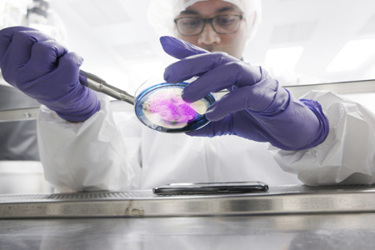
Cell and gene therapies hold the potential to enable one-time treatments and are typically developed for congenital disorders that a child suffers from at birth. These disorders tend to be rare diseases, hence delayed and missed diagnosis is quite common, resulting in a poor patient journey and experience and suboptimal outcomes. This translates into low-value care and ineffective treatment resulting in a significant burden for the caregiver as well as on the healthcare system.
By identifying patients prior to disease progression that renders them ineligible, patients are more likely to benefit from cell and gene therapies. Leveraging advanced tools such as machine learning and data-driven advanced analytics are helping to quickly identify patterns and associations that would be difficult or impossible for human analysts to detect. Predictive modeling and patient journey mapping can help create actionable insights and ultimately remove barriers to diagnosis and subsequent treatment.
Learn how utilizing ML algorithms to analyze patient data and identify characteristic patterns associated with certain rare diseases can help to increase lead time and enable the possibility for successful treatment using cell and gene therapies.
Get unlimited access to:




Enter your credentials below to log in. Not yet a member of Cell & Gene? Subscribe today.