
High-Performing Ionizable Lipids For Controlled Nucleic Acid Delivery
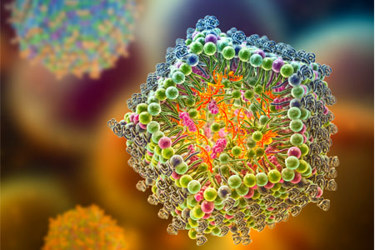
Messenger RNA therapeutics can transiently control protein expression, creating opportunities to address diseases beyond the reach of traditional protein-targeting approaches. Yet their success depends on overcoming a fundamental obstacle: delivery. Because mRNA is large, negatively charged, and vulnerable to degradation, it requires a carrier that can protect it, support cellular uptake, and enable release inside the cell. Lipid nanoparticles have become the leading solution, with ionizable lipids playing a central role in mRNA binding, endosomal escape, potency, biodistribution, and toxicity. As developers pursue delivery beyond the liver, lipid design becomes even more important.
Explore how structure-function relationships, scalable library synthesis, intellectual property considerations, freedom to operate, and quality control are shaping the next generation of ionizable lipids for nucleic acid delivery.
Get unlimited access to:




Enter your credentials below to log in. Not yet a member of Cell & Gene? Subscribe today.