
Harnessing The Power Of Next Generation Sequencing And Bioinformatics To Propel Viral Safety Of Cell Therapies
By Victor Muthu, Luke Karpathios, Haydes Rau, Parker Blevins, Rohita Sinha, Jalal Siddiqui, Marian L. McKee
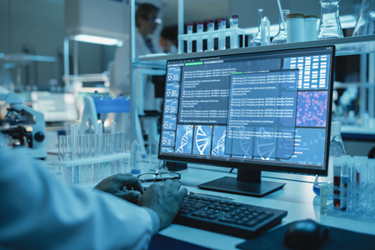
Biosafety testing is a regulatory requirement for all biopharmaceuticals, including monoclonal antibodies, vaccines, cell, gene, and mRNA therapies, because these products are cultivated in environments that present diverse risks to quality and safety. Adventitious agents, especially viruses, pose significant risks in manufacturing, and traditional animal and cell-based detection methods often lack the sensitivity and specificity needed for identification, particularly for unknown viruses.
Next Generation Sequencing (NGS) offers a powerful, non-biased, and rapid alternative for comprehensive adventitious agent detection, which is crucial for short shelf-life products like cell therapies. The deep sequencing technology of NGS can detect both known and novel contaminants, providing the genetic sequence for identification upon detection. Recent regulatory guidance, such as ICH Q5A (R2), is gaining momentum by supporting the use of non-targeted NGS to supplement or replace in vitro cell culture and in vivo assays for virus detection.
Learn about a developed NGS method that leverages whole transcriptomic sequencing and a comprehensive, internally-developed viral database to rapidly and accurately detect and identify contaminating viruses in cell therapy products.
Get unlimited access to:




Enter your credentials below to log in. Not yet a member of Cell & Gene? Subscribe today.