
Establish Stability From The Start With Frozen Starting Materials For Cell Therapy Development
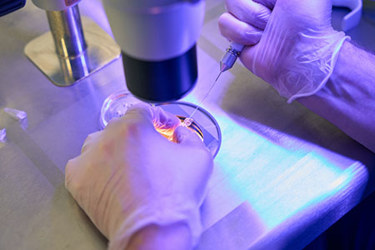
Early cell therapy programs often depended on fresh starting materials, assuming that rapid movement from collection to manufacturing would preserve viability. In practice, fresh material is highly fragile—its properties begin to change almost immediately after collection, making outcomes sensitive to timing, handling, and logistical conditions. These shifts can introduce donor‑to‑donor and batch‑to‑batch variability, disrupt scheduling, complicate manufacturing continuity, and hinder reproducibility across early development.
As development scales and regulatory expectations increase, frozen starting materials have become a more dependable option. Freezing separates collection from manufacturing, improving predictability and allowing greater flexibility in operational planning. When paired with a controlled, standardized cryopreservation process, frozen inputs help reduce risk, minimize variability, and establish a consistent foundation for early‑phase work. This approach supports smoother workflows, mitigates delays, and creates more resilient pathways as programs advance.
Get unlimited access to:




Enter your credentials below to log in. Not yet a member of Cell & Gene? Subscribe today.