|
|
|
|
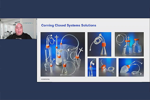
Closed systems address problems of open systems by minimizing contamination risks, streamlining workflows, and enabling scalable manufacturing processes. Explore the benefits, considerations, and innovative technologies behind closed systems.
|
|
|
|
|
MSC therapies now demand tens of billions of cells per batch from small donor samples. Meeting that need depends on how vessel architecture, closed-system handling, and media formulation work together to limit variability as processes scale toward commercial manufacturing.
|
|
|
|
|
Examine the complex engineering challenges of scaling MSC expansion. Discover how optimizing cell culture platforms and closed systems reduces manufacturing costs, improves media efficiency, and supports scalable stem cell production.
|
|
|
|
|
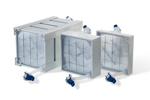
Meeting clinical demand for SHED-derived cell therapies means producing billions of adherent cells per batch without losing potency. Static multilayer systems and microcarriers each carry trade-offs, and a closed planar perfusion approach changes the calculation for yield, labor, and consistency.
|
|
|
|
|
Engineered mesenchymal stem cells are emerging as programmable therapeutic platforms that combine targeted gene delivery with the natural tumor-homing properties of MSCs. Advances in non-viral transfection and scalable manufacturing are enabling more efficient, cost-effective development of cell therapies for solid tumors while supporting preservation of cell function and commercial scalability.
|
|
|
|
|
|
|
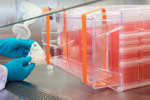
Cell therapy expansion depends on keeping sterility intact from the first flask onward. Closed, aseptic flasks with filtered gas exchange connect seed trains to larger vessels while helping reduce contamination risk during cell and media transfer.
REQUEST A SAMPLE
|
|
|