
Assessing The Success Of CRISPR Gene Therapies Using ddPCR Technology
By Marwan Alsarraj, Global Segment Manager, Life Science Group
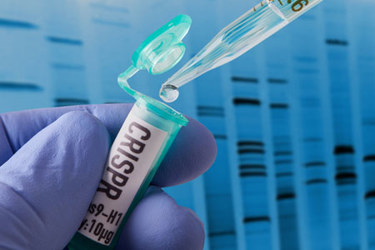
The transition of CRISPR-based gene editing from experimental theory to clinical application has heightened the need for rigorous validation of therapeutic outcomes. A primary challenge in this field is the consistent and accurate measurement of gene expression. Traditional qPCR methods often encounter hurdles, such as sensitivity to amplification inhibitors and a reliance on standard curves, which can obscure the subtle data needed to confirm successful genetic manipulation.
Droplet Digital PCR (ddPCR) provides a robust alternative by utilizing absolute quantification through droplet partitioning. By removing the need for external standards, this technology offers the precision and sensitivity required to monitor low-abundance targets and ensures high reproducibility across different laboratory environments. Adhering to established frameworks like the dMIQE guidelines further enhances the transparency and reliability of these findings. This application note explores how integrating advanced partitioning strategies can streamline workflows and provide the high-fidelity data essential for advancing translational research.
Get unlimited access to:




Enter your credentials below to log in. Not yet a member of Cell & Gene? Subscribe today.