|
|
|
|
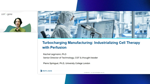
As allogeneic CAR-T therapies move toward commercialization, intensified perfusion processes enable faster, scalable, and consistent manufacturing. High-density expansion in stirred-tank bioreactors, combined with predictive scale-down modeling and real-time cell monitoring, supports rapid dose generation. Integrated downstream approaches, including automated harvest, deliver >90% recovery—driving shorter timelines, higher yields, and more cost-effective CAR-T production.
|
|
|
|
|
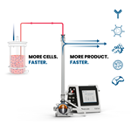
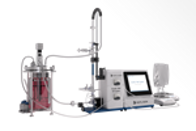
Streamline viral vector manufacturing with perfusion technologies that reduce costs and improve scalability. Find out how a tangential flow depth filtration system enhances yield and quality.
|
|
|
|
|
Perfusion-based upstream production offers up to 24% lower cost and significantly higher productivity than fed-batch, enabling faster timelines, better facility utilization, and improved quality.
|
|
|
|
|
N-1 perfusion enables higher inoculum densities, faster production, and reduced costs without altering fed-batch processes. Explore a practical path to intensification for biologics manufacturers.
|
|
|
|
|
The rapid growth of innovative cell therapies—especially CAR-T—has driven soaring demand for lentiviral vectors, essential for cell engineering. Yet, traditional production methods can't keep up, creating a bottleneck in delivering these life-changing therapies. Scalable, high-yield solutions are needed to meet clinical demand and unlock the full potential of cell therapy.
|
|
|
|
|
|
|
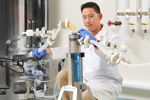
Read about innovative cell retention technology that supports continuous bioprocessing through perfusion cell culture, allowing for longer run times, higher product yields, and reduced costs.
|
|
|
|
|
|
|