
Addressing Plasmid DNA Challenges In Large-Scale Manufacturing Of Recombinant Adeno-Associated Virus And Lentivirus Using Enzymatically Generated dbDNA
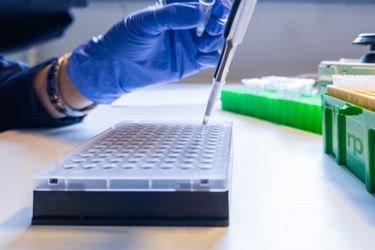
Plasmid DNA remains one of the more persistent constraints in large-scale viral vector manufacturing, carrying regulatory baggage around bacterial contaminants, CpG immunogenicity, and antibiotic resistance genes that become harder to manage as production volumes grow. Doggybone DNA (dbDNA), produced enzymatically via a cell-free rolling circle amplification process, sidesteps those concerns entirely and may also reduce the amount of DNA and transfection reagent required per run.
This whitepaper presents data from a direct comparison of dbDNA and pDNA across multiple transfection conditions for both rAAV2 and rLV production. The analysis covers production yields, genome packaging profiles, purification recovery, and, for rLV, downstream functional performance in CAR T-cell transduction. The results offer concrete evidence for how dbDNA performs relative to conventional pDNA across these critical manufacturing parameters.
Examine the data and see what the findings mean for your viral vector production strategy.
Get unlimited access to:




Enter your credentials below to log in. Not yet a member of Cell & Gene? Subscribe today.